


Description
Product Overview
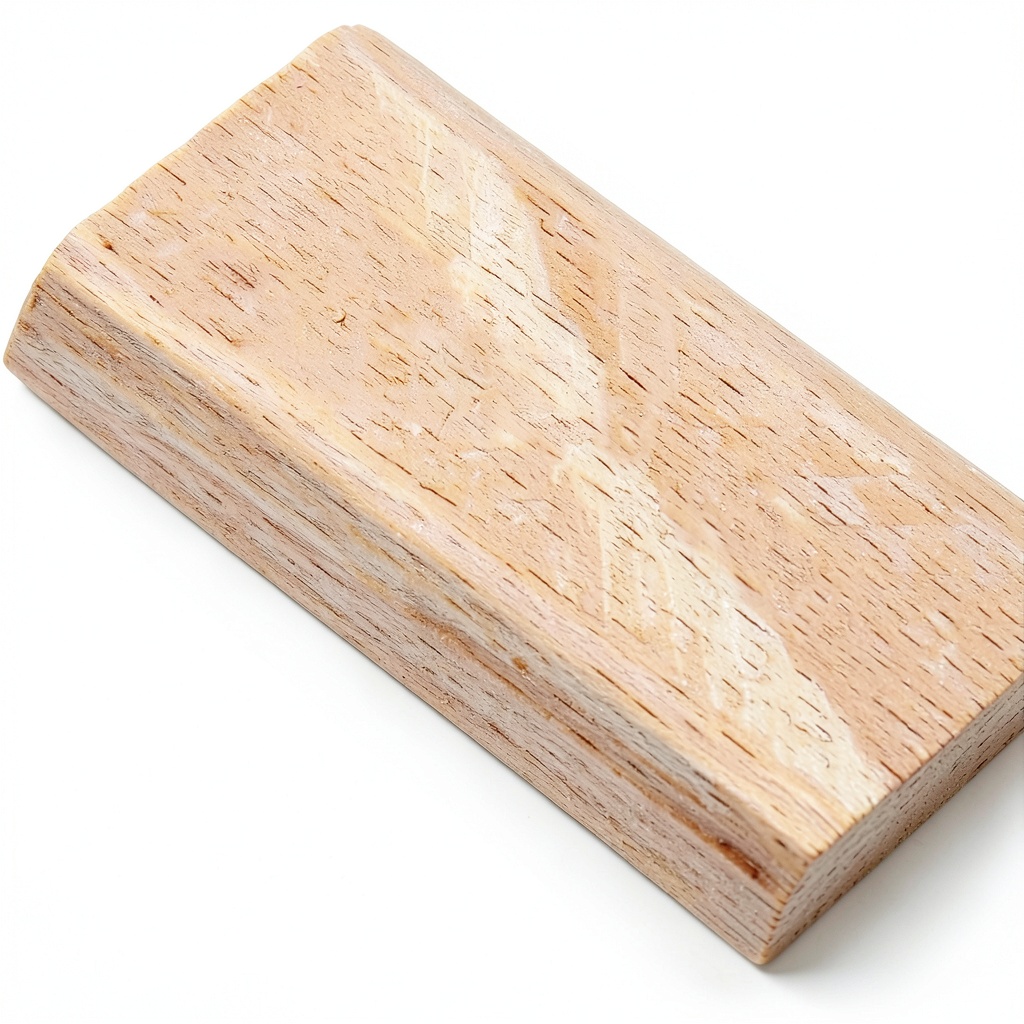
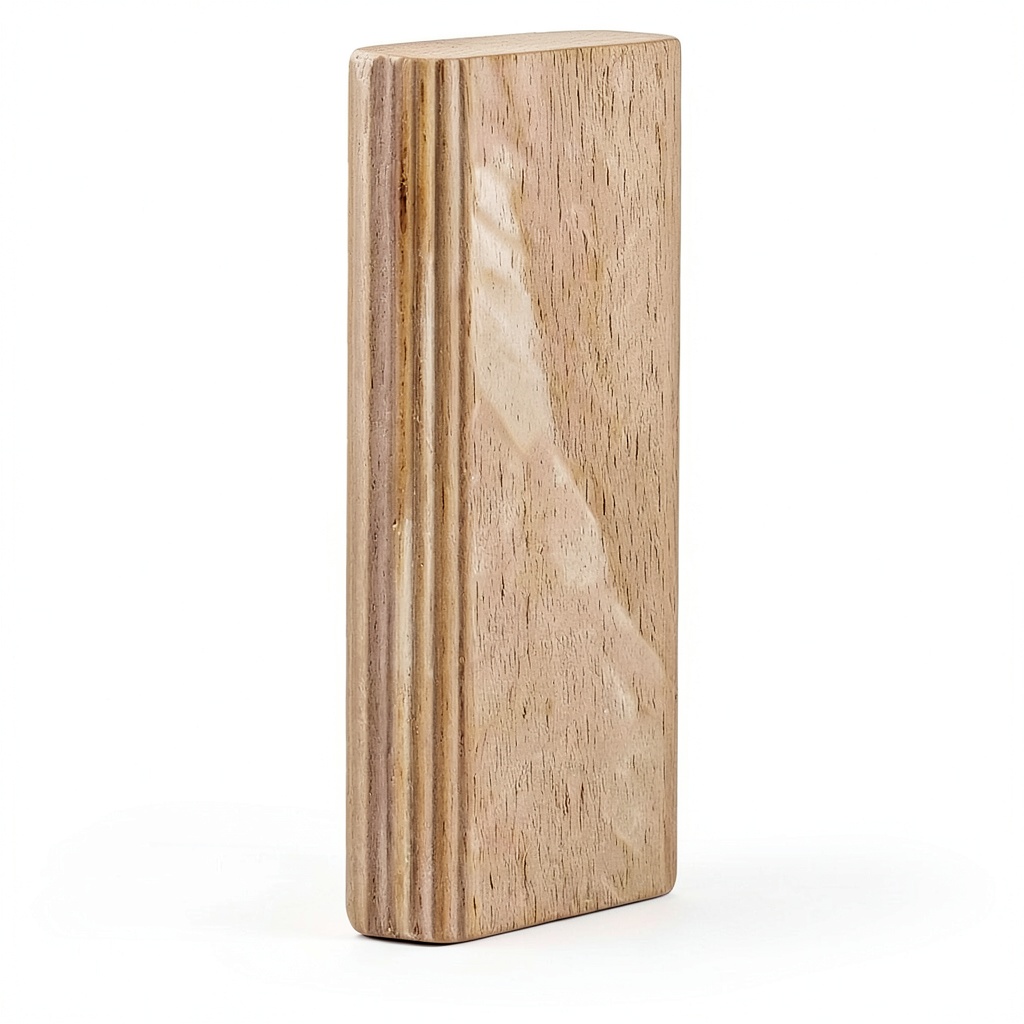
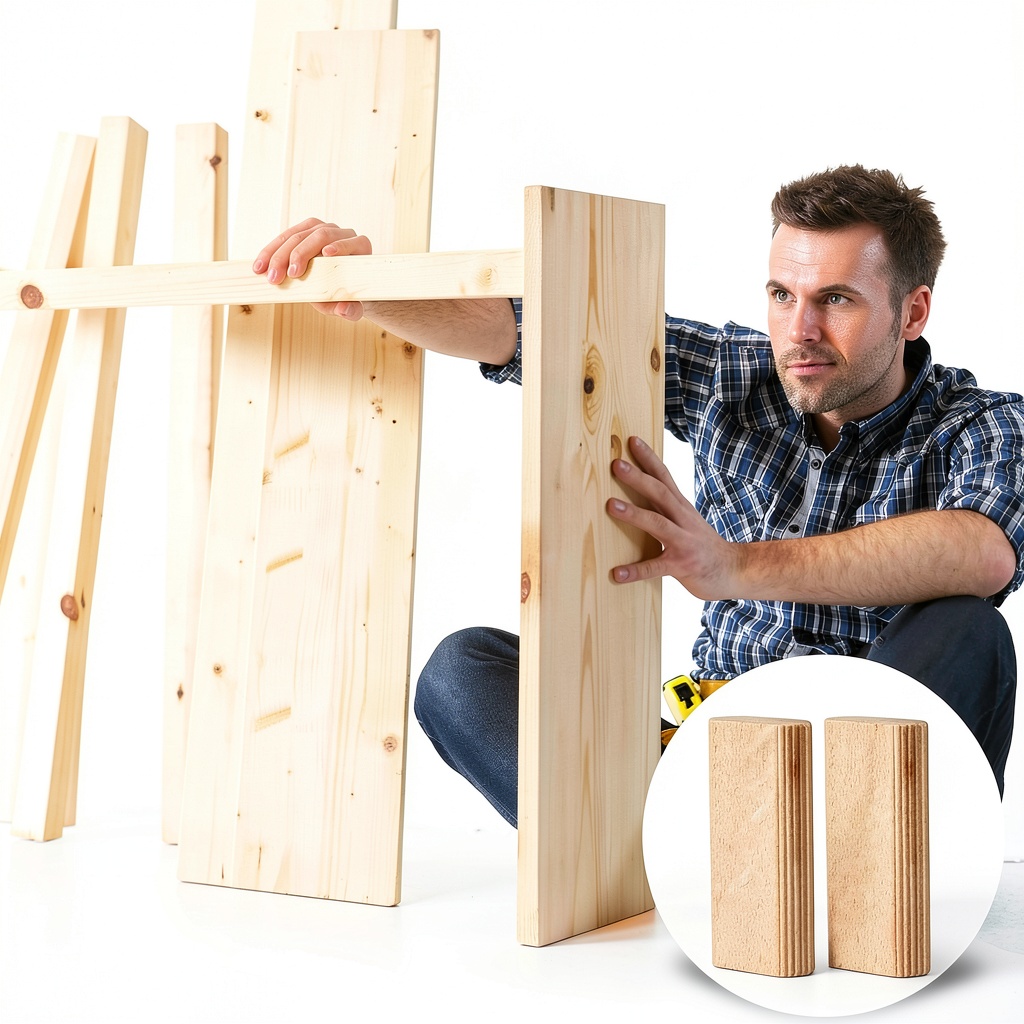
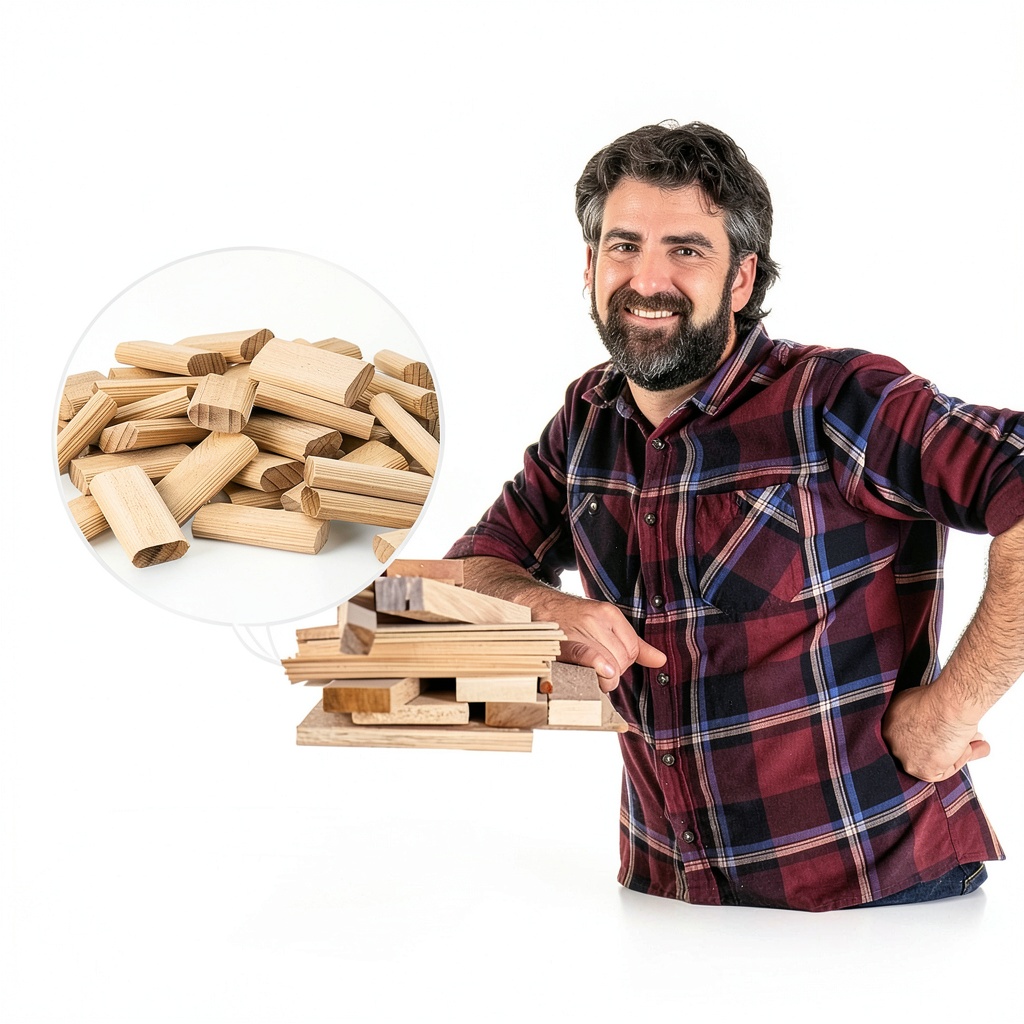
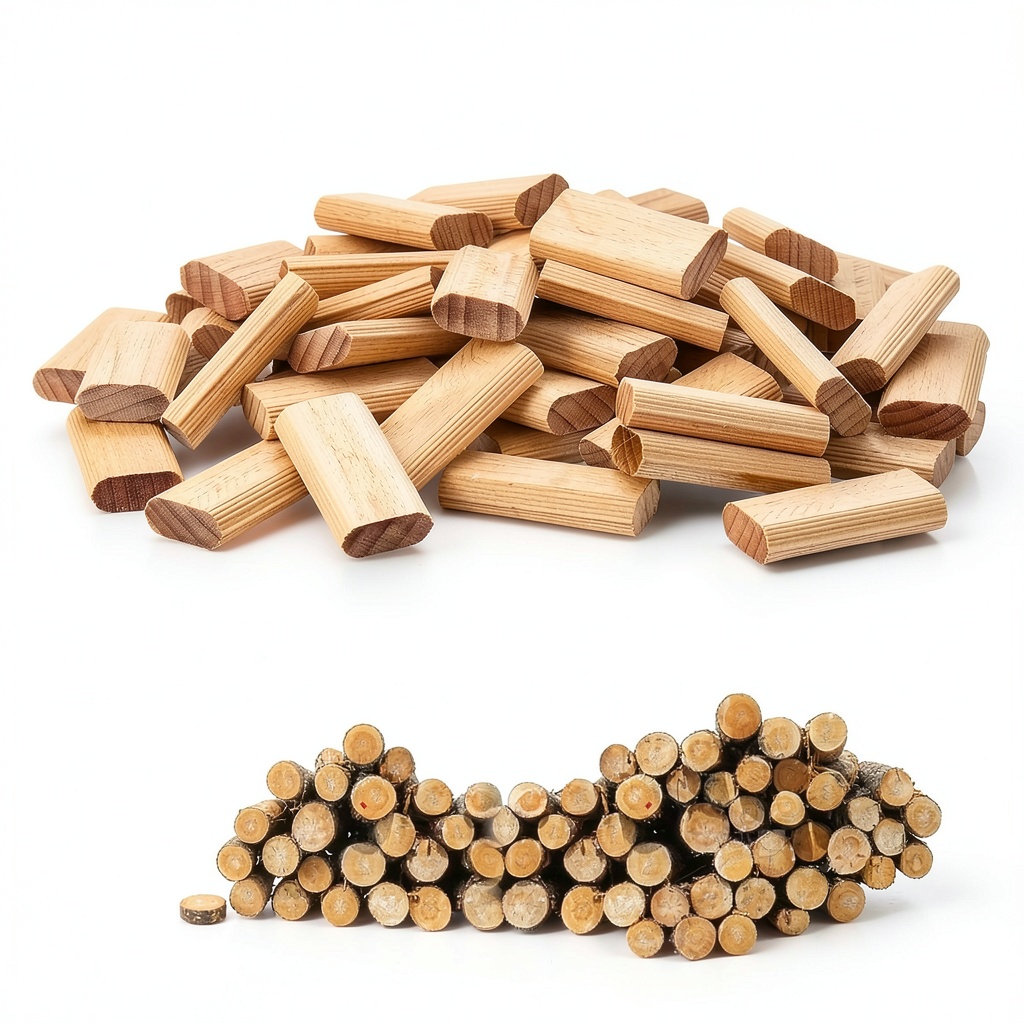
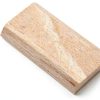
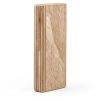
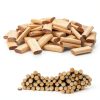
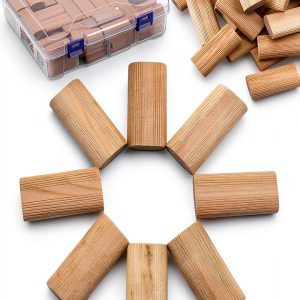
The Niaimei Beech wood tenon set is a premium collection of ninety solid hardwood floating tenons, each precisely cut to 10 × 24 × 50 mm dimensions. Crafted from certified, sustainably sourced beech timber, these tenons combine natural strength with exceptional dimensional stability, making them ideal for high‑quality mortise‑and‑tenon joinery. The flat, elongated profile is engineered to resist rotation, providing a true floating tenon that aligns perfectly whether used for edge gluing or face gluing. Each piece is finished with a smooth, sanded surface that requires no additional preparation before installation, allowing woodworkers to focus on design rather than surface treatment. The set’s consistent size and weight—approximately 1.4 pounds for the entire pack—ensure uniform performance across multiple projects, from small cabinet doors to large furniture frames. Niaimei’s meticulous machining process guarantees tight tolerances, so joints fit tightly without gaps, delivering both structural integrity and a clean aesthetic. This product meets the rigorous standards of professional carpenters while remaining accessible to dedicated hobbyists seeking reliable, eco‑friendly hardware.
Beech wood, known for its fine, uniform grain and high density, offers a rare combination of strength and workability that makes it a preferred material for precision joinery. The trees grow in temperate climates, producing timber that is naturally low in resin, which reduces the risk of glue bleed and ensures a clean bond when used with standard wood adhesives. Niaimei sources its beech from certified forests that adhere to the Forest Stewardship Council (FSC) standards, guaranteeing that each board is harvested responsibly and that biodiversity is preserved. After harvesting, the logs are air‑dried to a moisture content of around 10 % before being milled on computer‑controlled equipment that slices the wood into tenon blanks with tolerances tighter than ±0.02 mm. This level of precision eliminates the need for secondary trimming, saving craftsmen valuable time and reducing material waste. Each tenon is then sanded on both faces to a smooth finish that feels silky to the touch, allowing glue to spread evenly across the joint surface. The final product is inspected under magnification to detect any micro‑cracks or grain irregularities that could compromise structural performance. By maintaining strict quality control at every stage—from forest to final packaging—Niaimei delivers a tenon that not only meets but exceeds the expectations of professional woodworkers seeking reliable, repeatable results.
The packaging of the Niaimei tenon set is designed to protect each piece during transit while minimizing environmental impact. Tenons are individually wrapped in recyclable kraft paper to prevent moisture absorption, then placed in a sturdy, corrugated cardboard box that fits snugly around the 90‑piece bundle. The box includes a printed insert that outlines the product specifications, safety guidelines, and a QR code linking to an online video tutorial. Shipping weight of approximately 1.4 pounds allows for economical delivery via standard carriers, and the compact dimensions of the package make it easy to store on a workshop shelf or in a tool chest. Niaimei’s commitment to sustainable packaging reduces plastic use and supports a circular economy, aligning with the expectations of eco‑conscious consumers.
The tenons are sized to fit standard mortise dimensions commonly used in Western joinery, making them compatible with a wide range of existing hardware such as dowel plates, brackets, and reinforcement pins. Because the beech material is dense yet forgiving, the tenons can be trimmed with a hand saw or a router if slight adjustments are needed to match non‑standard mortise sizes. This flexibility allows woodworkers to adapt the tenons to custom designs without compromising the joint’s strength. Moreover, the uniform weight distribution of the tenons contributes to balanced load handling, which is especially beneficial in large furniture pieces where uneven forces can lead to warping over time.
![[Product front view showing all components]](https://www.movielife.store/wp-content/uploads/2026/06/43c4a72f582a4e3482d7e4eec3e07dbd.jpg)
Usage
In practice, the installation of a floating beech tenon follows a straightforward sequence that can be mastered by woodworkers of any skill level. Begin by marking the mortise location on the workpiece, ensuring the depth matches the tenon length of 50 mm. Using a mortising machine or a hand‑drill with a suitable chisel, cut the mortise to a width of 24 mm and a height of 10 mm, keeping the grain orientation parallel to the tenon for maximum strength. Before inserting the tenon, lightly sand the mortise walls to remove any rough edges that could impede glue flow. Apply a thin coat of high‑quality PVA or aliphatic resin glue to both the tenon faces and the interior of the mortise, spreading it evenly with a brush or a small roller. Position the tenon into the mortise, making sure the flat side faces outward to maintain the designed alignment. Use a clamp that applies even pressure across the joint, typically a bar clamp or a specialized tenon clamp, and tighten it to the manufacturer’s recommended clamping force, usually around 30 psi. Allow the glue to cure for the specified time—generally 30 minutes for initial set and 24 hours for full strength—before removing the clamp. After curing, inspect the joint for any gaps; if necessary, apply a thin bead of wood filler to conceal minor imperfections. The resulting joint exhibits a seamless appearance, with the tenon becoming an invisible part of the structure, while delivering load‑bearing capacity comparable to a solid wood dowel. For larger assemblies, such as a table frame, multiple tenons can be installed in a staggered pattern to distribute stress evenly, enhancing the overall rigidity of the piece. This method also works well with veneer‑covered surfaces, as the tenon’s flat profile prevents visible bulging, preserving the aesthetic continuity of the finished product.
After the joint has cured, finishing steps can further enhance the appearance and durability of the assembly. Lightly sand the exposed surfaces of the tenon and surrounding wood with a fine‑grit sandpaper (220‑grit) to remove any residual glue film, then wipe away dust with a tack cloth. Apply a coat of penetrating oil or a water‑based polyurethane to protect the beech from moisture fluctuations, especially if the piece will be used in a kitchen or bathroom environment. The oil will deepen the natural honey‑tone of the beech, while the polyurethane adds a clear, hard layer that resists scratches. For projects that require a painted finish, the smooth surface of the tenon accepts primer without the need for extensive sanding, ensuring an even color coverage. In all cases, the tenon’s flat profile eliminates the risk of visible seams, allowing the final finish to flow seamlessly across the joint, creating a professional look that rivals solid‑wood construction.
Why Choose Us
Choosing Niaimei means selecting a brand committed to quality, sustainability, and customer satisfaction. Every beech tenon is sourced from responsibly managed forests, ensuring that the raw material is renewable and the ecological impact is minimized. Our manufacturing facilities employ precision CNC machining, which reduces waste and guarantees each tenon meets exact specifications for length, width, and thickness. We conduct rigorous quality inspections on every batch, checking for grain consistency, surface smoothness, and dimensional accuracy, so you receive a product that performs reliably out of the box. Niaimei also offers responsive after‑sales support; if you encounter any issues with the tenons, our knowledgeable team is ready to provide guidance, replacement parts, or technical advice at no additional cost. By investing in this tenon set, you benefit from a product that not only enhances the structural integrity of your projects but also aligns with environmentally conscious practices, giving you confidence that your work contributes to a greener future.
Niaimei’s reputation in the woodworking community stems from decades of dedication to craftsmanship and environmental stewardship. Founded in the early 2000s, the company began as a small workshop focused on producing high‑quality joinery components for local cabinet makers. Over time, the brand expanded its product line and invested in state‑of‑the‑art CNC technology, enabling the production of precision‑engineered tenons that meet international standards such as ISO 9001 for quality management and ISO 14001 for environmental responsibility. Each batch of beech tenons is accompanied by a detailed certificate of compliance that lists the tree species, harvest location, and moisture content, providing transparency for customers who require traceability for their own sustainability certifications. Niaimei also offers a limited lifetime warranty on the tenons, covering defects in material or workmanship, which reflects the confidence the company has in its manufacturing processes. Should a customer encounter a tenon that does not meet the advertised specifications, the warranty service includes free replacement and a technical consultation to address any installation concerns. In addition to product support, Niaimei maintains an active online forum where users can share project photos, ask for advice, and receive tips from the company’s in‑house woodworking engineers. This community‑driven approach not only fosters loyalty but also drives continuous improvement, as feedback from real‑world applications informs future product development. By choosing Niaimei, buyers gain access to a partner that values durability, precision, and ecological responsibility, ensuring that every joint created with these tenons contributes to a lasting, responsibly built piece of furniture.
Niaimei’s supply chain transparency extends to its logistics partners, who are vetted for compliance with carbon‑reduction initiatives. The company tracks the carbon footprint of each shipment and offsets emissions through reforestation projects in the same regions where the beech is harvested. This closed‑loop approach not only reduces the overall environmental impact but also supports local communities by creating jobs in sustainable forestry. Customers can request a detailed carbon report for their order, reinforcing the brand’s commitment to measurable sustainability. Moreover, Niaimei provides a comprehensive set of technical resources, including CAD files for mortise layout, step‑by‑step video guides, and a downloadable PDF that outlines best practices for joint preparation and glue selection. These resources empower users to achieve professional results without the need for extensive trial and error, shortening project timelines and reducing material waste. The combination of high‑quality materials, precise engineering, and robust support infrastructure positions Niaimei as a trusted partner for both seasoned artisans and emerging makers.
Key Features
- Solid beech hardwood delivers superior strength and natural durability for long‑lasting joints.
- Floating tenon design prevents rotation, ensuring perfect alignment in both edge and face gluing.
- Precise 10 × 24 × 50 mm dimensions provide consistent fit across a wide range of projects.
- Sustainably sourced material supports eco‑friendly woodworking and reduces environmental impact.
- Dedicated Niaimei customer support offers expert assistance and hassle‑free replacements.
FAQ
What wood species is used for these tenons?
The tenons are made from high‑grade beech wood, a hardwood known for its strength, fine grain, and excellent stability across humidity changes.
Can these tenons be used for both interior and exterior projects?
Yes. Beech wood’s natural resistance to warping makes the tenons suitable for indoor furniture as well as outdoor pieces, provided the finished product is properly sealed.
How do I ensure the tenons stay aligned during gluing?
Apply a thin, even layer of wood glue to both the mortise and tenon surfaces, then clamp the joint firmly. The flat, elongated shape of the tenon helps maintain alignment throughout the curing process.
Is the set compatible with standard woodworking tools?
Absolutely. The tenons are sized to work with common mortise‑and‑tenon jigs, clamps, and hand tools, making them easy to integrate into existing workflows.
How should the tenons be stored to maintain optimal condition?
Store the tenons in a dry, climate‑controlled environment away from direct sunlight and extreme temperature changes. Keep them in their original kraft paper wrappers or in a sealed container to prevent moisture absorption. Ideal storage humidity is between 30% and 50% relative humidity; higher moisture can cause the wood to swell, while overly dry conditions may lead to slight shrinkage. For long‑term storage, placing a desiccant packet in the container helps maintain stable conditions. Regularly inspect the tenons for any signs of mold or insect activity, and rotate the stock periodically to use older pieces first.
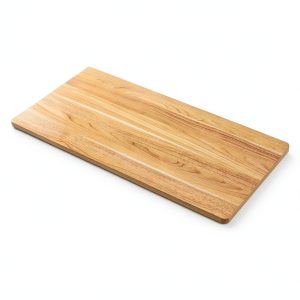
 Barydat Beechwood Loose Tenons 100pcs Plastic Box 10x24x50mm
Reviews
There are no reviews yet.